A focus to offering clients solutions that go above and beyond standard offers is demonstrated by the commitment to customizing chillers to fulfill individual requirements, whether in terms of capacity, energy efficiency, flexibility to environmental conditions, or unique applications. This strategy places these manufacturers as leaders in the quest of operational excellence and customer happiness, in addition to meeting the particular cooling needs of Delhi’s commercial, industrial, and residential sectors.
Electrical transformer repair services are essential for handling problems that range from little malfunctions to large breakdowns, ensuring that transformers in a variety of sectors continue to function. These services are crucial for keeping transformers safe, increasing their efficiency, and reducing downtime in addition to getting them back to working order.
Understanding Electrical Transformer Issues
Power distribution networks depend heavily on electrical transformers, which enable the effective transfer of electricity from power plants to final consumers. Transformers are strong and built to last, but they can have several problems that could impair their functionality and interfere with the power supply. Comprehending typical problems with electrical transformers is necessary for timely identification, diagnosis, and efficient fixing.
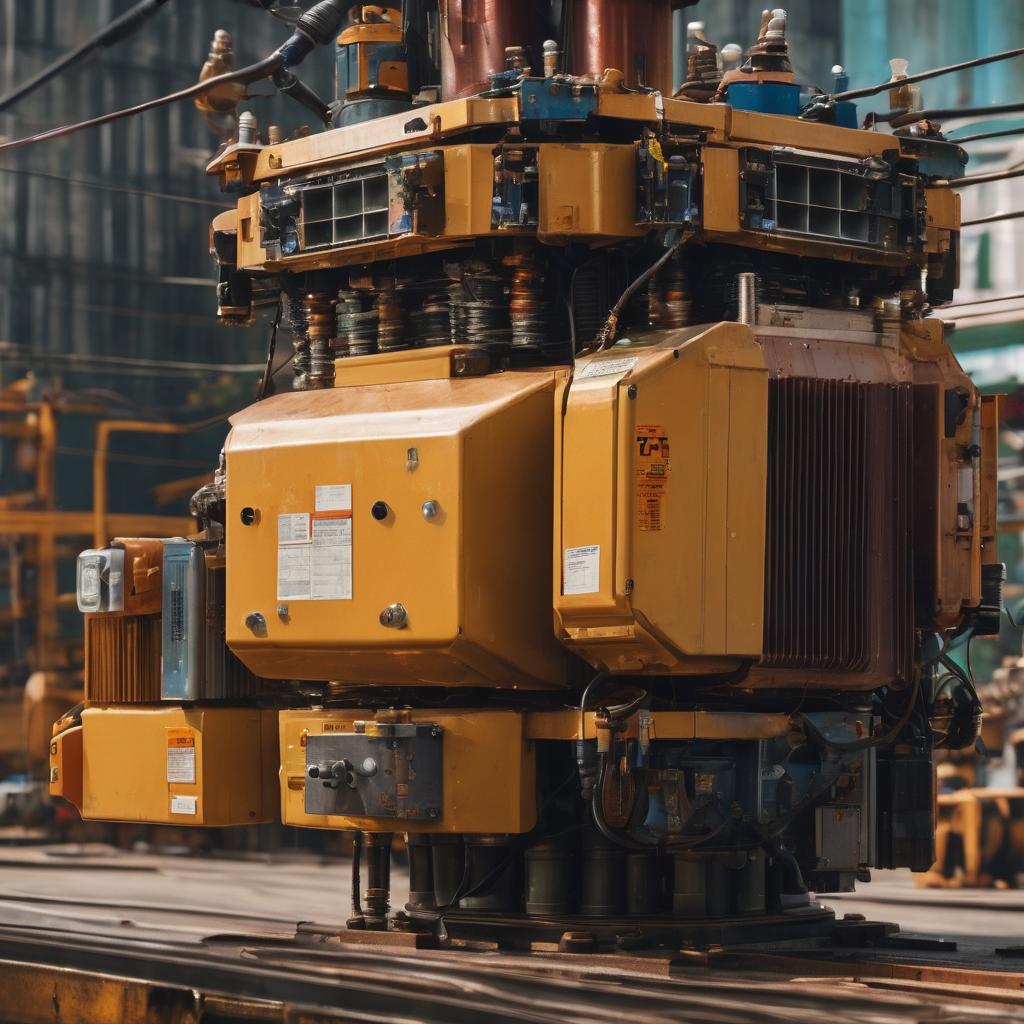
Overheating:
Transformer overheating is a common problem that can be brought on by overloading, inadequate ventilation, or excessive outside temperatures. Overheating shortens transformer life, speeds up the aging of insulation, and can cause catastrophic failures. To avoid overheating problems, transformer temperatures must be regularly monitored and any contributing causes must be addressed.
Insulation Breakdown:
Manufacturing flaws, pollution, and aging can all lead to insulation deterioration. The transformer’s ability to tolerate voltage stress is compromised when the insulation fails, which increases the risk of short circuits and possible damage to adjacent components. It is essential to conduct routine testing on the dielectric strength and insulation resistance in order to identify possible breakdowns early on.
Oil Contamination:
Transformer oil is essential for the unit’s insulation and cooling. The oil’s performance may be harmed by moisture, particle matter, or other contaminants. Regular oil analysis and sampling aid in the detection of contamination problems, enabling prompt oil replacement or filtering to preserve ideal transformer performance.
Corrosion and Moisture Ingress:
Corrosion and moisture ingress, often due to environmental factors, can compromise the integrity of transformer components. Inspecting the transformer housing, seals, and gaskets regularly is essential to prevent corrosion and safeguard against moisture penetration, ensuring the transformer’s long-term reliability.
The Human Element in Transformer Repairs
When problems occur with transformers, which are intricate electrical devices essential to power distribution, human intervention is essential to their upkeep and repair. For transformer restoration to be both safe and successful, qualified specialists’ knowledge, judgment, and experience are essential. In this article, we examine the role that people play in transformer repairs and highlight the essential elements that make these vital projects successful.
Expert Diagnosis and Assessment:
Experts in the field contribute a plethora of information to the diagnosis and evaluation of transformer problems. Electrical Transformer repair services try to enable them to analyze diagnostic data, carry out exhaustive inspections, and pinpoint the underlying causes of issues. During this stage, human interaction is crucial for comprehending the distinct features of every transformer and creating customized solutions that address the particular problems at hand.
Decision-Making in Critical Situations:
Transformer repairs frequently require making important decisions in circumstances when dependability, efficiency, and safety are top priorities. When deciding whether to fix a transformer on-site or remove it for more comprehensive repairs, skilled technicians use their experience to make well-informed decisions. These choices affect not just the transformer’s functionality but also the electrical system’s general safety.
Future-Forward: Embracing Technology
Around the world, industries and sectors are changing due to the wave of digital transformation. Transformer testing services understand the value of automating tasks, digitizing processes, and using data analytics to increase productivity. Whether digital technologies are integrated into manufacturing, healthcare, banking, or education, the result is increased efficiency, streamlined operations, and new growth opportunities. Future-forward thinkers understand the transformative potential of artificial intelligence (AI) and machine learning (ML). These technologies empower businesses to analyze vast datasets, automate complex tasks, and derive actionable insights. From predictive analytics to personalized user experiences, AI and ML are at the forefront of driving efficiency and innovation across diverse sectors.
Conclusion
To sum up, the domain of electrical transformer repair services is essential to guaranteeing the dependability and durability of power distribution networks. The competence, accuracy, and commitment demonstrated by proficient experts in this domain are essential for preserving the condition of transformers, thereby ensuring the uninterrupted supply of energy to residences, commercial establishments, and industrial facilities. Transformer repair services are more than just technical expertise; they represent a dedication to environmental responsibility, safety, and innovation. Experts in this domain skillfully negotiate the complexities of diagnosis, making decisions, and performing practical repairs while keeping a close eye on the particulars of every transformer and the larger picture of electrical infrastructure.
 Power Solutions