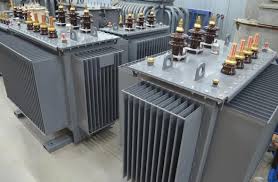
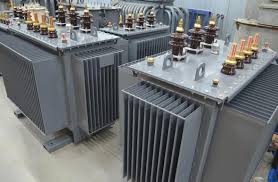
In today’s dynamic industrial landscape, the need for efficient and reliable power solutions has never been greater. When temporary power solutions are required for projects, events, or emergency situations, renting transformers offers a practical and cost-effective alternative to purchasing new equipment. This guide provides a comprehensive overview of the critical factors to consider when renting transformers, focusing on ensuring optimal performance, safety, and cost-effectiveness. Whether you’re seeking a transformer on rent or a transformer on hire, understanding these critical considerations will empower you to make informed decisions that align with your project’s unique requirements.
Factors to Consider
Power Rating and Load Requirements
The first step in selecting a rented transformer is to determine the required power rating based on the anticipated load. Calculating the load accurately ensures that the rented transformer can handle the demand without overloading or underperforming. Transformer power ratings are typically measured in kilovolt-amperes (kVA) and understanding your load’s power needs is crucial in making the right choice.
Voltage Levels and Phase Configurations
Transformer rentals are available in various voltage levels and phase configurations to suit diverse applications. Matching the voltage and phase requirements of your project is essential to maintain compatibility with existing infrastructure and equipment.
Duration of Rental
Consider the duration for which you need the transformer. Temporary projects may require transformers for short periods, while long-term rentals might be necessary for ongoing operations. Rental contracts can be tailored to suit these varying needs, affecting pricing and other terms.
Safety and Compliance
Safety is paramount when dealing with electrical equipment like transformers. Ensure that the rental company adheres to industry safety standards and regulations. Request documentation proving the transformers are well-maintained and undergo regular inspections to guarantee safe operation.
Transportation and Installation
Logistics play a significant role in thetransformer on rent. Check whether the rental company provides transportation, installation, and setup services. Clear communication regarding delivery timelines, installation procedures, and any additional charges is crucial.
Maintenance and Support
Understand the maintenance and support services provided by the rental company. Regular maintenance and prompt troubleshooting support are essential to minimize downtime and ensure continuous power supply during the rental period.
Rental Costs and Financial Considerations
Compare rental costs against the benefits of purchasing a new transformer. Evaluate the overall financial implications, including initial investment, maintenance, and potential resale value after the rental period ends.
Flexibility and Scalability
Assess the rental company’s ability to accommodate changes in your power requirements during the rental period. Projects may evolve, necessitating adjustments to the transformer’s capacity or configuration.
Terms and Conditions of Rental Agreement
Carefully review the rental agreement. Pay close attention to terms related to rental duration, payment schedules, insurance coverage, and penalties for damage or early termination.
Location and Environment
Consider the operating environment of the transformer on hire. Different locations may have varying environmental conditions such as temperature, humidity, and exposure to elements. Ensure the rented transformer is suitable for the specific conditions of your project site.
Conclusion
Whether you’re seeking a transformer on rent or a transformer on hire, renting transformers offers a flexible and efficient solution for fulfilling temporary power requirements. By considering the factors outlined in this guide, you can ensure that the rented transformer meets your project’s needs in terms of power, safety, compatibility, and budget. Careful evaluation of these factors will enable you to forge a partnership with a reputable rental company that provides reliable equipment, excellent support, and a seamless rental experience. Remember, making an informed decision today can positively impact the success of your project tomorrow.
Electrical transformers play a critical role in power distribution, converting voltage levels to enable efficient transmission across various parts of the electrical grid. These essential components facilitate the safe and reliable supply of electricity to homes, industries, and commercial establishments. However, like any complex equipment, transformers are susceptible to wear and tear, leading to various issues that may require timely repair. In this article, we’ll delve into the most common issues that necessitate electrical transformer repair services, emphasizing the importance of professional assistance for maintaining a resilient power distribution system.
Overheating and Thermal Degradation
One of the most prevalent issues with electrical transformers is overheating, often caused by excessive electrical loads or inadequate cooling systems. Overheating can lead to thermal degradation of the transformer’s insulation and components, ultimately affecting its efficiency and longevity. Professional repair services can identify the root causes of overheating and implement solutions such as improved cooling systems and insulation restoration.
Oil Leaks and Contamination
Transformer oil serves as both insulation and coolant, crucial for maintaining optimal operating temperatures. Leaks in the oil system can result from deteriorated seals or faulty components. Oil leaks not only compromise the transformer’s efficiency but can also lead to environmental contamination. Electrical Transformer Repair Service can detect leaks, repair or replace damaged parts, and ensure proper oil levels and purity.
Winding Faults and Insulation Breakdown
Winding faults, such as short circuits or open circuits within the transformer coils, can occur due to manufacturing defects, voltage surges, or insulation breakdown over time. These faults can lead to reduced efficiency, abnormal noises, and even complete failure. Repair experts can diagnose winding issues and implement appropriate repairs or replacements to restore the transformer’s functionality.
Corrosion and Rust
Transformers located in outdoor or humid environments are susceptible to corrosion and rust, particularly on metal components such as the tank and core. Corrosion compromises structural integrity and can lead to oil leaks or electrical issues. Professional repair services can clean, treat, and protect affected components to prevent further deterioration.
Bushings and Insulator Problems
Bushings and insulators provide electrical insulation and support for external connections. Damaged bushings or insulators can result in electrical arcing, insulation breakdown, and power loss. Expert repair technicians can assess the condition of these components and replace them if necessary to prevent electrical hazards.
Noise and Vibrations
Unusual noises and vibrations often indicate internal mechanical issues within the transformer, such as loose components or problems with the core assembly. Ignoring these signs can lead to increased wear and potential failures. Repair professionals can diagnose the source of noise and vibration and take corrective actions to prevent further damage.
Moisture and Humidity Damage
Moisture ingress can occur through damaged seals, gaskets, or improper storage. Moisture and humidity can degrade insulation and lead to electrical issues. Repair services can identify sources of moisture ingress, rectify them, and ensure proper drying and insulation restoration.
Load Imbalance and Uneven Stress
Uneven loading or frequent load changes can result in unequal stress distribution across the transformer’s components. This can lead to mechanical stress, insulation degradation, and decreased operational efficiency. Professional repair specialists can analyze load patterns and implement measures to balance stress and enhance the transformer’s resilience.
Conclusion
Electrical transformers are the backbone of modern power distribution systems, and ensuring their proper functioning is paramount for uninterrupted electricity supply. Recognizing and addressing common issues through timely electrical transformer repair services is essential to prevent operational disruptions, extend the transformer’s lifespan, and maintain a reliable power infrastructure. Whether it’s overheating, oil leaks, winding faults, or any other issue mentioned above, seeking the expertise of professional repair technicians is the key to safeguarding your transformer’s performance and contributing to a resilient electrical grid.
In Gurgaon’s scorching climate, air conditioning systems have become indispensable for homes and businesses alike. To ensure your AC unit operates efficiently and provides optimal cooling, regular maintenance is essential. This blog post explores the significance of consistent AC maintenance and how it can benefit users in Gurgaon. Additionally, we will highlight the AC Repair services in Gurgaon to assist residents in finding reliable professionals for their cooling system needs.
Increased Energy Efficiency
Regular AC maintenance plays a vital role in enhancing energy efficiency, which directly impacts electricity bills in Gurgaon’s high-temperature conditions. Dust, dirt, and debris accumulation within the AC unit’s filters and coils can hinder proper airflow, causing the system to work harder to cool the space. This increased strain leads to higher energy consumption and subsequently inflated electricity costs. Scheduled maintenance, including cleaning and servicing, ensures that the AC unit operates at peak efficiency, lowering energy usage and saving money in the long run.
Prolonged Lifespan of the AC Unit
Investing in air conditioning systems is a significant expense for homeowners and businesses in Gurgaon. Regular AC maintenance can significantly extend the lifespan of the cooling unit, safeguarding this valuable investment. When the AC is properly maintained, it experiences less wear and tear, reducing the likelihood of major breakdowns and expensive repairs. With regular servicing, residents in Gurgaon can expect their AC systems to function optimally for years, providing reliable cooling during the hottest months.
Improved Indoor Air Quality
Gurgaon’s air quality can be a concern, especially during peak pollution periods. AC units play a crucial role in filtering and improving indoor air quality by removing dust, allergens, and pollutants. However, when AC filters become clogged due to lack of maintenance, these harmful particles can circulate within the indoor environment, compromising air quality and potentially causing health issues. Routine maintenance includes filter replacement and cleaning, ensuring that the AC unit continues to provide clean and fresh air to the inhabitants.
Enhanced Cooling Performance
In Gurgaon’s sweltering heat, a well-functioning AC unit is a necessity for comfort and productivity. Regular maintenance ensures that the cooling system performs at its best, providing consistent and efficient cooling throughout the premises. AC coils, fins, and other components tend to accumulate dirt and debris over time, reducing their ability to transfer heat effectively. Through periodic cleaning and maintenance, these issues are addressed, enabling the AC unit to deliver optimal cooling performance, even during the hottest days.
Preventing Major Breakdowns
Air conditioning breakdowns in Gurgaon’s scorching weather can be not only inconvenient but also uncomfortable. Regular AC maintenance can help identify and address potential issues before the AC Repair services in Gurgaon escalate into major breakdowns. During routine servicing, AC technicians can detect and fix minor problems, such as refrigerant leaks, faulty capacitors, or loose connections. Timely repairs prevent these issues from turning into costly and disruptive emergencies, ensuring uninterrupted cooling when it is needed the most.
Expert AC Repair Services in Gurgaon
For residents seeking the best AC repair services in Gurgaon, there are reputable companies offering reliable and professional assistance. These service providers boast experienced technicians who are well-versed in diagnosing and fixing various AC problems. Whether it’s routine maintenance, repairs, or emergency assistance, these top AC repair services in Gurgaon offer comprehensive solutions to ensure optimal AC performance.
Conclusion
In conclusion, regular AC maintenance is of utmost importance for residents and businesses in Gurgaon to enjoy efficient, reliable, and cost-effective cooling. By investing in routine servicing, users can experience increased energy efficiency, extended AC lifespan, improved indoor air quality, and enhanced cooling performance. Additionally, preventive maintenance helps avoid major breakdowns and costly repairs, ensuring comfort and peace of mind during Gurgaon’s scorching summers.
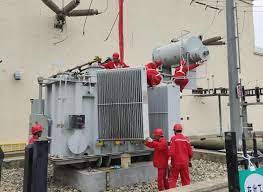
Transformer repair and maintenance services are crucial for ensuring the optimal performance and longevity of transformers. However, it’s essential to prioritize safety during these activities to protect personnel, equipment, and the surrounding environment. In this blog post, Transformer Repair & Maintenance Services will explore the best practices and guidelines for maintaining safety during transformer repair and maintenance. As a trusted Transformer repair company, we understand the importance of safety and aim to provide valuable insights to professionals in the field.
How many types of safety are there in transformer?
There are several types of safety measures that are important to consider when working with transformers. These safety measures can be categorized into the following types:
Electrical Safety: This type of safety focuses on protecting individuals from electrical hazards associated with transformers. It includes measures such as:
Proper grounding and bonding of the transformer to prevent electrical shocks.
Ensuring proper insulation and guarding against electrical contact.
Following lockout/tagout procedures to de-energize and isolate the transformer before maintenance work.
Using personal protective equipment (PPE) like insulated gloves, safety goggles, and flame-resistant clothing.
Fire Safety: Transformers pose a risk of fire due to various factors such as electrical faults, overheating, and flammable materials (such as transformer oil). Fire safety measures include:
Regular inspection and maintenance of transformer components to prevent overheating.
Installation of fire-resistant materials and barriers around the transformer.
Adequate ventilation and cooling systems to maintain safe operating temperatures.
Implementation of fire detection and suppression systems, such as fire alarms and fire extinguishers.
Hazardous Material Safety: Transformers may contain hazardous materials, such as PCBs (Polychlorinated Biphenyls) in older units or transformer oils. Safety measures related to hazardous materials include:
Proper handling, storage, and disposal of transformer oils and other hazardous substances.
Labeling of containers and equipment to clearly identify their contents.
Following safety data sheets (SDS) and guidelines for handling and disposing of hazardous materials.
Providing training to personnel on safe practices for working with and around hazardous materials.
Working at Heights and Confined Spaces: In some cases, transformers may be located at heights or in confined spaces. Safety measures for such situations include:
Implementing fall protection measures, such as safety harnesses and guardrails.
Conducting proper risk assessments and creating safe work procedures for working at heights.
Ensuring proper ventilation and air quality for working in confined spaces.
Training personnel on working safely in elevated or confined areas.
Emergency Preparedness: Safety measures related to emergencies include:
Developing and practicing emergency response plans, including evacuation procedures and communication protocols.
Providing appropriate first aid equipment and training to respond to injuries or accidents.
Ensuring access to emergency contact information for medical services and relevant authorities.
It is important to adhere to applicable safety regulations, industry standards, and specific Transformer Repair & Maintenance Services guidelines to ensure a safe working environment during transformer operations, maintenance, and repairs.
What is the process of maintaining a transformer?
The process of maintaining a transformer typically involves the following steps:
Visual Inspection: Regular visual inspections are conducted to check for any physical damage, leaks, or signs of abnormalities in the transformer’s components, such as oil levels, bushings, windings, and cooling systems.
Electrical Testing: Various electrical tests are performed to assess the transformer’s condition and performance. These tests may include insulation resistance tests, transformer turns ratio tests, power factor tests, and DGA (dissolved gas analysis) to monitor the health of the insulation and detect any internal faults.
Oil Analysis: Transformer oil analysis is a critical part of maintenance. Samples of the insulating oil are taken and analyzed to evaluate its dielectric strength, moisture content, acidity level, and the presence of any contaminants. This analysis helps in detecting potential issues and determining the need for oil filtration or replacement.
Cleaning: Regular cleaning of the transformer and its components is essential to remove dust, dirt, and debris that can impact its performance and cooling efficiency. This includes cleaning the radiator fins, bushings, and cooling fans.
Tightening and Lubrication: Connections and fasteners within the transformer are checked and tightened as necessary to ensure proper electrical conductivity and mechanical stability. Lubrication of moving parts, such as tap changers, is also performed as required.
Cooling System Maintenance: The cooling system, including radiators and fans, is inspected, cleaned, and tested to ensure optimal heat dissipation and prevent overheating.
Protective Device Testing: Protective devices such as relays, temperature sensors, and pressure gauges are tested to verify their proper functioning and accuracy.
Documentation and Record-Keeping: Maintenance activities, test results, and any repairs or replacements made should be documented for future reference and to track the transformer’s history and performance trends.
It’s important to note that the specific maintenance process may vary depending on the type, size, and design of the transformer, as well as Transformer repair services recommendations or industry standards.
Importance of Safety in Transformer Maintenance
Safety is of paramount importance in transformer maintenance for several reasons. First and foremost, working with Transformer Repair & Maintenance Services involves high voltage electrical systems, which pose significant risks to personnel. By prioritizing safety, we can protect workers from electrical shocks, arc flashes, and other potential hazards.
Additionally, safety measures during Transformer repair company help prevent damage to the transformer itself. Mishandling or incorrect procedures can result in costly repairs, equipment downtime, or even the need for a complete replacement. Adhering to safety guidelines minimizes the risk of accidents, spills, or fires that can damage the transformer and surrounding equipment.
Moreover, safety considerations in Transformer repair services ensure compliance with legal and regulatory requirements. Following established safety standards not only protects workers and equipment but also helps avoid legal penalties and liabilities associated with non-compliance.
Safety Precautions before Starting Maintenance Work:-
Before initiating Transformer Repair & Maintenance Services, it is crucial to take appropriate safety precautions. These precautions include:
Personal Protective Equipment (PPE): All personnel involved in maintenance work must wear the necessary PPE, such as safety goggles, gloves, helmets, and fire-resistant clothing. PPE provides protection against electrical shocks, burns, chemical exposure, and other potential hazards.
Lockout/Tagout Procedures: Before starting any maintenance work, the transformer must be de-energized and properly isolated. Lockout/tagout procedures involve disconnecting the power supply, locking switches or breakers, and clearly tagging them to prevent accidental re-energization.
Risk Assessment and Job Planning: Conduct a thorough risk assessment before starting any maintenance work. Identify potential hazards, evaluate risks, and develop a detailed job plan that outlines the necessary precautions and steps to mitigate those risks.
Permit-to-Work System: Implement a permit-to-work system to ensure that only authorized personnel perform maintenance tasks. This system helps control access to the work area, tracks ongoing work, and ensures that all necessary safety procedures are followed.
Equipment and Tools: Ensure that all tools and equipment used for maintenance are in good working condition and suitable for the task at hand. Inspect and test equipment regularly to identify any defects or malfunctions that may compromise safety.
Safety Training: Provide comprehensive safety training to all personnel involved in transformer maintenance. Training should cover electrical safety, hazard awareness, emergency procedures, and the proper use of PPE and equipment.
By implementing these safety precautions, Transformer repair services can significantly reduce the risk of accidents, injuries, and damage during transformer maintenance. Prioritizing safety ensures the well-being of personnel and helps maintain a safe working environment.
Safety Measures during Transformer Maintenance
During transformer maintenance, various safety measures must be followed to minimize risks and ensure the well-being of personnel involved. Here are some key safety measures to consider:
Electrical Safety:
Always assume that the transformer is energized unless properly de-energized and locked out/tagged out.
Use appropriate voltage testers and verify the absence of voltage before touching any parts.
Apply proper grounding techniques to discharge residual electrical energy and prevent accidental energization.
Follow safe work distances and maintain adequate clearance from energized parts.
Fire Safety:
Ensure that the work area is free from flammable materials and properly ventilated.
Implement fire prevention measures, such as keeping fire extinguishers nearby and using fire-resistant materials during maintenance.
Have a clear understanding of the transformer’s cooling system and take necessary precautions to prevent overheating and the risk of fire.
Hazardous Material Handling:
Follow proper procedures for handling, storing, and disposing of hazardous materials, including transformer oils, PCBs, and insulating materials.
Use appropriate protective measures when dealing with toxic or hazardous substances.
Have spill containment measures in place and be prepared to respond to chemical spills or leaks.
Working at Heights and Confined Spaces:
Follow proper procedures for working at heights, including using fall protection equipment and ensuring stable working platforms.
When working in confined spaces, ensure proper ventilation and have rescue procedures in place.
Provide adequate training and supervision for personnel working in elevated or confined spaces.
Equipment and Tool Safety:
Inspect tools and equipment before use to ensure they are in good condition and properly calibrated.
Use insulated and properly rated tools designed for working with electrical systems.
Store tools and equipment safely when not in use to prevent accidents or damage.
Emergency Preparedness:
Establish clear emergency procedures and ensure all personnel are aware of them.
Conduct regular drills to practice emergency response and evacuation procedures.
Have first aid kits and emergency contact information readily available.
Communication and Coordination:
Maintain clear communication among team members during maintenance tasks.
Assign a dedicated observer or spotter to monitor the work and provide assistance if needed.
Establish a system for reporting and addressing any safety concerns or incidents promptly.
By implementing these safety measures during transformer maintenance, Transformer repair services can minimize the risk of accidents, injuries, and damage. Regular training, effective communication, and adherence to established safety protocols are essential to maintaining a safe working environment for all personnel involved.
Which types of protection is provided for transformer?
Transformers are equipped with various types of protection systems to safeguard them against electrical faults, abnormal operating conditions, and external threats. The following are some of the common types of protection provided for transformers:
Overcurrent Protection: Overcurrent protection devices, such as fuses and circuit breakers, are installed to protect the transformer from excessive current flow. These devices automatically interrupt the circuit when a current overload occurs, preventing damage to the transformer and associated equipment.
Overload Protection: Overload protection prevents the transformer from overheating due to prolonged excessive current flow. Thermal overload protection devices, such as bimetallic relays or electronic thermal monitoring devices, sense the temperature rise in the transformer and trip the circuit if it exceeds a specified limit.
Overvoltage and Undervoltage Protection: Voltage protection systems monitor the input and output voltages of the transformer. Overvoltage protection devices, such as surge arresters, protect the transformer from voltage spikes and lightning strikes. Undervoltage protection devices monitor the voltage level and can initiate actions, such as alarm signals or automatic load shedding, if the voltage falls below a specified threshold.
Differential Protection: Differential protection is a key method to detect internal faults within the transformer. It compares the currents entering and leaving the transformer to identify any imbalance or discrepancy, indicating the presence of a fault. Differential relay systems are used to trip the circuit and isolate the transformer in the event of an internal fault.
Buchholz Relay: Buchholz relay is a gas and oil level relay installed in oil-filled transformers. It detects internal faults, such as short circuits or winding failures, by sensing gas or oil flow abnormalities. Upon detection, it initiates an alarm, and in severe cases, it trips the circuit and isolates the transformer.
Earth Fault Protection: Earth fault protection systems monitor the occurrence of faults between the transformer windings and the ground. Earth fault relays detect these faults and initiate appropriate actions to mitigate risks and protect the transformer.
Transformer Cooling and Temperature Protection: Cooling systems, such as radiators or fans, are installed to maintain optimal operating temperatures. Temperature monitoring devices, including winding temperature indicators (WTI) and oil temperature gauges, provide real-time temperature data to ensure the transformer operates within safe limits.
Alarm and Monitoring Systems: Advanced transformer protection systems include alarm and monitoring systems that continuously monitor various parameters, such as temperature, oil level, pressure, and gas analysis. These systems provide early warning signals, alarms, and real-time data to operators, allowing them to take preventive actions promptly.
It’s important to note that the specific protection systems employed for a transformer can vary based on its size, voltage rating, application, and specific requirements. Transformer Repair & Maintenance Services, industry standards, and regulatory guidelines provide detailed specifications and recommendations for appropriate protection measures.
Conclusion
Safety should be the top priority when performing Transformer repair company and maintenance services. By following the best practices and guidelines outlined in this blog post, Transformer Repair & Maintenance Services can ensure the well-being of their personnel, protect valuable equipment, and maintain a safe working environment. Implementing these safety measures not only minimizes the risks associated with transformer maintenance but also enhances the overall efficiency and reliability of the operations.




 Power Solutions