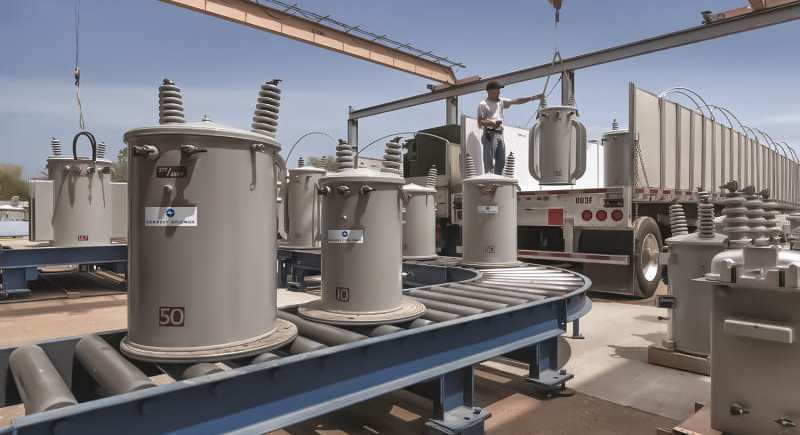
Transformers are critical components of electrical power systems, playing a pivotal role in voltage regulation and power distribution. They are essential for transmitting electricity efficiently from power stations to homes, industries, and businesses. To ensure the reliable and safe operation of transformers, regular maintenance is imperative. Transformer repair and maintenance services encompass a wide range of activities designed to extend the lifespan of these assets, prevent unexpected failures, and optimize their performance. we explore the essential maintenance activities for transformers, emphasizing the importance of Transformer Repair & Maintenance Services.
Routine Inspection and Assessment:
Visual Inspection:
Routine visual inspections are the first line of defence in Transformer Repair & Maintenance Services. Skilled technicians examine the external components, including the tank, bushings, cooling system, and accessories, for signs of damage, leaks, or corrosion. Any abnormalities are documented for further analysis.
Oil Sampling and Analysis:
Transformer oil is a vital insulating and cooling medium. Regular sampling and analysis of the oil help identify contaminants, such as moisture, gases, and particulate matter, which can indicate potential issues within the transformer. Oil testing also provides insights into the transformer’s overall health.
Temperature Monitoring:
Monitoring the temperature of critical components, such as windings and the transformer core, is essential. Abnormal temperature fluctuations can signal insulation problems or cooling system issues. Advanced sensors and thermal imaging technology are often employed for accurate monitoring.
Dissolved Gas Analysis (DGA):
DGA involves analyzing gases dissolved in the transformer oil to detect internal faults like partial discharges or overheating. Specific gas ratios and concentration levels can provide valuable information about the transformer’s condition and potential issues.
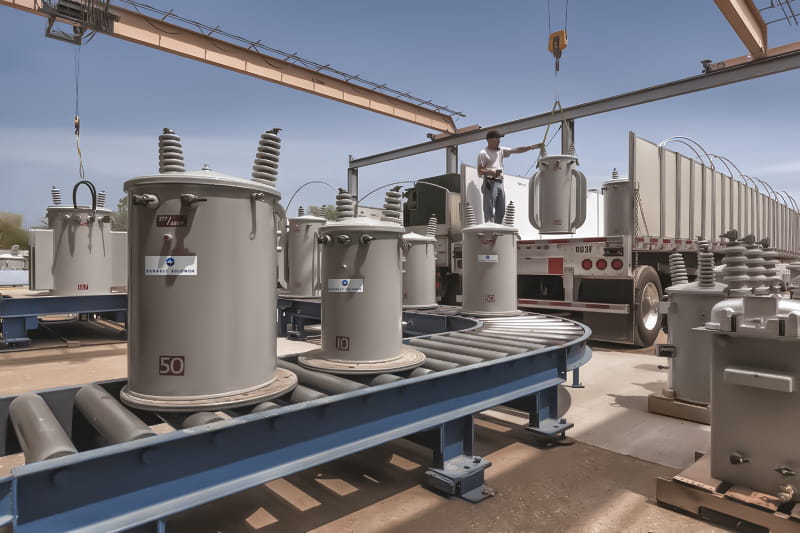
Electrical Testing:
Turns Ratio Test:
The turns ratio test measures the transformation ratio of the transformer. Deviations from the specified ratio can indicate winding defects or core issues. This test is crucial for assessing the transformer’s efficiency.
Insulation Resistance Test:
Insulation resistance tests assess the integrity of the insulation system. Low insulation resistance can lead to electrical faults. By measuring the resistance between windings and ground, technicians can identify insulation deterioration.
Power Factor and Tan Delta Testing:
Power factor and tan delta tests assess the condition of the insulation by measuring its dielectric properties. High values may indicate insulation degradation, requiring further investigation and potential maintenance.
Mechanical and Structural Inspection:
Buchholz Relay Maintenance:
Buchholz relays are installed in oil-immersed transformers to detect faults like internal arcing or excessive gas formation. Routine maintenance involves checking the relay’s operation and resetting it if necessary.
Bushing Inspection:
Bushings are critical for electrical insulation and connecting transformers to external circuits. Inspection includes assessing their condition, cleanliness, and electrical performance.
Gasket and Sealing Inspection:
Proper sealing is essential to prevent oil leaks and ingress of contaminants. Regular inspection of gaskets, seals, and flange connections ensures the transformer remains sealed and protected.
Cooling System Maintenance:
Radiator Cleaning:
Oil-filled transformers rely on radiators or heat exchangers for cooling. Cleaning these components ensures efficient heat dissipation, preventing overheating.
Fans and Pumps Maintenance:
Cooling fans and pumps should be inspected and tested for proper operation. They play a critical role in maintaining the transformer’s temperature within acceptable limits.
Repairs and Reconditioning:
Leak Repairs:
Addressing oil leaks promptly is crucial to prevent further damage. Technicians should identify the source of leaks and undertake necessary repairs, which may involve replacing gaskets or damaged components.
Core and Coil Repairs:
In cases of core or winding damage, specialized repair procedures may be required. This can include core restacking, rewinding, or replacing damaged coils to restore the transformer’s functionality.
Insulation Replacement:
When insulation deterioration is detected, it may be necessary to replace insulation materials to maintain electrical integrity and safety.
Oil Filtration and Regeneration:
Oil Filtration:
High-efficiency oil filtration systems can remove contaminants and extend the life of transformer oil. Periodic filtration helps maintain oil quality and insulation properties.
Oil Regeneration:
In some cases, transformer oil can be regenerated to remove impurities and restore its dielectric strength. This process can significantly extend the lifespan of the oil and, by extension, the transformer.
On-Load Tap Changer (OLTC) Maintenance:
OLTC Inspection and Lubrication:
For transformers with OLTCs, regular inspection and lubrication of tap changers are essential to ensure seamless voltage regulation and prevent operational issues.
Transformer Testing and Certification:
Acceptance Testing:
Before putting a transformer into service or after significant maintenance work, it undergoes acceptance testing to verify that it meets all specifications and functions correctly.
Periodic Re-Certification:
Transformers may need periodic re-certification to meet safety and performance standards throughout their operational life.
Environmental Considerations:
Environmental Compliance:
Transformer maintenance activities must adhere to environmental regulations, especially regarding the handling and disposal of transformer oil and other potentially hazardous materials.
Record Keeping and Documentation:
Maintenance Records:
Accurate and detailed records of all maintenance activities, tests, and inspections are essential for tracking the transformer’s history and making informed decisions regarding future maintenance or replacements.
Condition Monitoring Systems:
Installing condition monitoring systems with remote monitoring capabilities allows real-time tracking of the transformer’s performance and alerts operators to any anomalies.
Conclusion
Transformer repair and maintenance services are essential for ensuring transformers’ reliable and safe operation in electrical power systems. Routine inspections, electrical testing, mechanical assessments, cooling system maintenance, and repairs are critical activities that help extend the lifespan of transformers, prevent unexpected failures, and optimize their performance. Additionally, environmental compliance, record-keeping, and condition monitoring systems play vital roles in ensuring the longevity and efficiency of these critical assets. Transformer Repair & Maintenance Services are indispensable for properly functioning electrical grids, reducing downtime, and preventing costly power interruptions. By implementing these maintenance activities and best practices, operators can ensure the resilience and reliability of their transformer assets, ultimately benefiting both the industry and the broader community.
 Power Solutions