The power industry has always been at the forefront of technological advancements, and one area that has seen remarkable progress is transformer technology. Transformers play a vital role in the efficient and safe transmission of electrical power. As the world’s energy demands continue to rise and sustainability becomes a top priority, transformer technology is evolving to meet these challenges. In this article, we will explore the future of transformer technology and its implications for the power industry, with a focus on how transformer repair companies will play a crucial role in maintaining and upgrading these critical components.
The Current State of Transformer Technology
Before delving into the future, let’s briefly examine the present state of transformer technology. Traditional transformers, whether oil-filled or dry-type, have been the workhorses of the power grid for decades. They are robust and reliable, but they also come with their limitations. These include:
- Efficiency: Traditional transformers are not as energy-efficient as modern technology can allow. They may experience losses due to core and winding resistance, which can be significant over time.
- Size and Weight: Large transformers are cumbersome and require extensive space, making them challenging to install in densely populated areas or retrofit into existing infrastructure.
- Environmental Impact: Oil-filled transformers, in particular, pose environmental concerns due to the potential for oil leaks and the need for regular oil maintenance.
- Maintenance: Traditional transformers require periodic maintenance, including oil testing, insulation checks, and sometimes repairs.
To address these limitations and prepare for the future, the power industry is actively pursuing innovations in transformer technology.
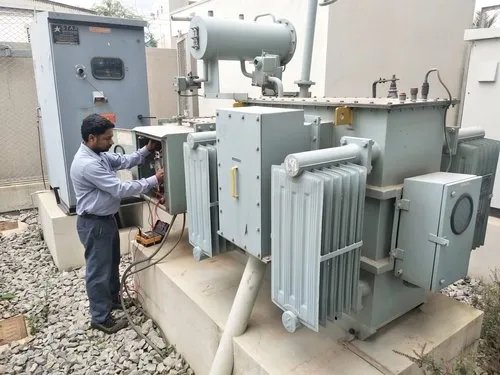
The Future of Transformer Technology
The future of transformer technology is exciting and promises to address many of the current limitations. Several key trends and advancements are shaping the transformation of transformers:
High-Efficiency Transformers: Efficiency is a top concern in the power industry, and the future of transformers lies in designs that minimize losses. Advanced materials and improved manufacturing processes are enabling the development of high-efficiency transformers that waste less energy.
Compact and Lightweight Designs: As urban areas expand, the demand for smaller and more compact transformers is rising. The development of compact, lightweight, and modular transformers makes installation in densely populated regions and retrofitting existing infrastructure more manageable.
Sustainability and Environmental Considerations: Environmental sustainability is a pressing issue. Manufacturers are now focusing on designing transformers that are eco-friendly. This includes dry-type transformers that eliminate the need for oil, reducing the risk of oil leaks and spills.
Digitalization and IoT Integration: The integration of digital technologies and the Internet of Things (IoT) into transformers is revolutionizing how they are monitored and maintained. Smart transformers equipped with sensors and data analytics capabilities can provide real-time data on their health and performance, enabling predictive maintenance and reducing downtime.
Superconducting Transformers: Superconducting materials are becoming more practical for transformer applications. Superconducting transformers can transmit power with minimal losses and offer the potential to revolutionize long-distance power transmission.
Energy Storage Integration: The future of transformers may include integration with energy storage systems. This enables transformers to store excess energy and release it during peak demand, contributing to grid stability and reliability.
Resilience and Grid Adaptability: Transformers of the future will be designed to withstand extreme weather events and cyber-attacks, ensuring the resilience of the power grid.
Advanced Cooling Techniques: Cooling systems play a crucial role in transformer efficiency. Future transformers may employ advanced cooling techniques, such as forced air, liquid-immersed cooling, or even cryogenic cooling, to maintain optimal operating temperatures.
The Role of Transformer Repair Companies in the Future
As transformer technology advances, the role of transformer repair companies becomes even more critical. These companies will serve as the backbone of ensuring that existing transformers are maintained, repaired, and upgraded to meet evolving standards and regulations. Here’s how Transformer repair company will fit into the future landscape:
Maintenance and Inspections: Transformer repair companies will continue to provide routine maintenance and inspections to ensure the health and performance of transformers. This will be particularly important for older transformers that are not immediately replaced with new technology.
Retrofitting and Upgrades: As the power industry transitions to more advanced transformers, repair companies will specialize in retrofitting existing transformers with new technologies. This can include replacing outdated components, improving cooling systems, and integrating digital monitoring solutions.
Repair and Restoration: Transformer repair companies will play a crucial role in extending the lifespan of transformers through expert repair and restoration services. This will be essential for preserving valuable assets and reducing the environmental impact of premature disposal.
Transformer Oil Analysis: While traditional oil-filled transformers may become less common, many will remain in operation. Transformer repair companies will continue to perform oil analysis to diagnose potential issues and ensure the safe operation of these transformers.
Adaptation to Superconducting Transformers: As superconducting transformers become more prevalent, repair companies will develop expertise in servicing and maintaining these advanced systems, ensuring their optimal performance.
Digitalization and Predictive Maintenance: Transformer repair companies will embrace digitalization and predictive maintenance techniques, leveraging real-time data and analytics to identify issues before they lead to costly failures.
Emergency Response Services: The need for rapid response during transformer emergencies will persist. Repair companies will offer specialized emergency services to minimize downtime and prevent widespread power disruptions.
Environmental Compliance: Repair companies will play a vital role in ensuring that transformer upgrades and maintenance adhere to environmental regulations and sustainability goals.
Conclusion
The future of transformer technology is marked by efficiency, sustainability, and adaptability. These advancements are driven by the growing energy demands of our modern world and the imperative to reduce the environmental impact of the power industry. In this transformative era, transformer repair companies will serve as linchpins, bridging the gap between legacy infrastructure and cutting-edge technology.
As the power industry evolves, it is imperative for transformer repair companies to stay at the forefront of these changes, embracing innovation and expanding their skill sets to meet the demands of the future. Through their expertise, transformer repair companies will ensure the reliability and efficiency of the power grid, contributing to a sustainable and electrifying future.
In summary, the future of transformer technology is bright, and transformer repair companies are poised to be indispensable partners in this journey towards a more efficient, sustainable, and resilient power infrastructure.

 Power Solutions